The First 250 Founders Decks Are Coming Soon -- Don't Miss Your Spot!
What are Graphonic Mnemonics™?
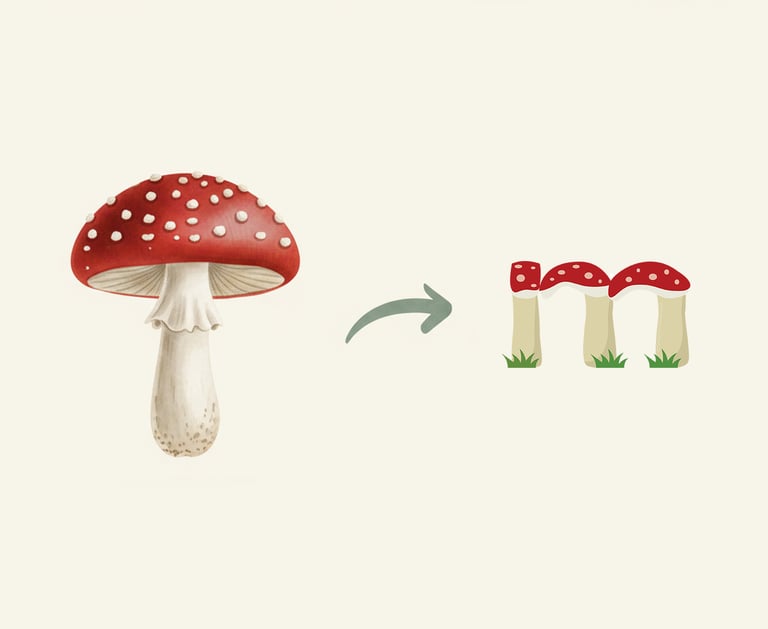
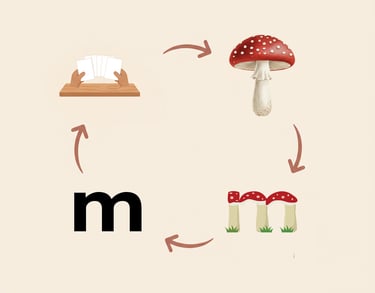
A Graphonic Mnemonic™ is our term for a picture-embedded mnemonic — sometimes called a picture mnemonic. It is a visual memory cue that helps a child remember the sound a letter or letter-pattern makes by embedding a meaningful image into the letter’s shape.
It links:
the letter shape (what we see),
the sound (what we say or hear), and
the meaningful picture (what the brain already knows)
Over time, as children use the sound in real reading and writing, the picture becomes unnecessary and the sound is retrieved directly from the letter form.
It starts with sound.
Before we read, we speak.
Children learn letters best when they are first connected to the sounds they make with their mouths.


Meaning makes it stick.
Each sound is linked to a familiar, meaningful word that children can visualize. This strengthens the connection between speech and print, supporting long-term memory and confident recall.


The picture lives inside the letter.
The picture is embedded into the letter shape as Graphonic Mnemonics™. So the child can always “see” the sound inside the print.
We learn it together.
Learning begins simply by just noticing and naming the pictures inside the letters.
We created a quick song introduces the sounds, and play brings the practice.


Learning happens through play.
Instead of drills, we use mini–games.
Repetition happens naturally and learning feels like play.
Phonic Forge™ fits right into family game night.


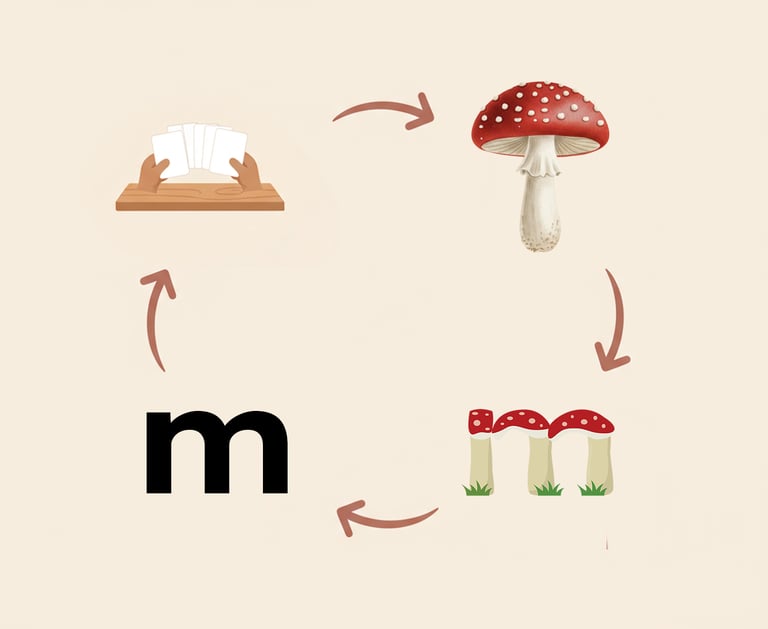
The connection becomes automatic.
Through the games, the brain practices retrieving the sound whenever the picture and letter appear together. This strengthens the picture-word-sound-shape pathway so it becomes familiar and fast.
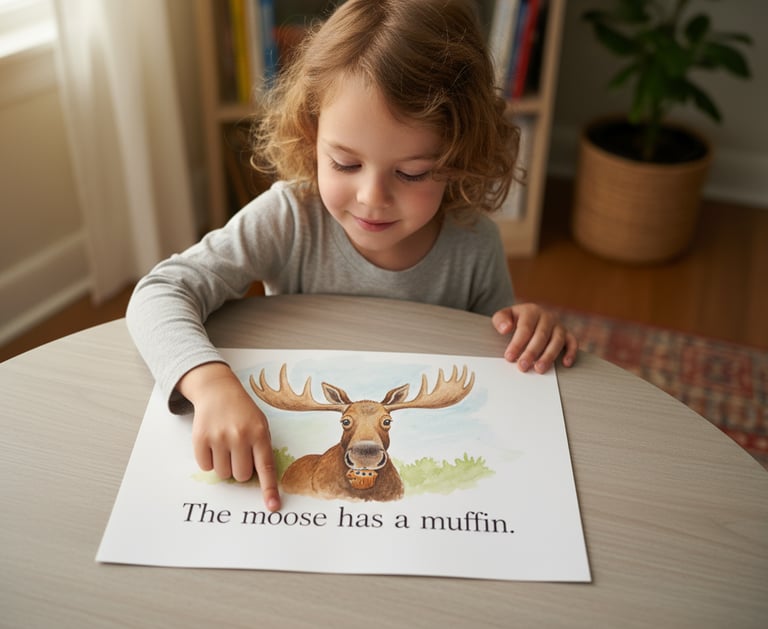
Automatic recall develops as children also see the same letter shapes in natural reading and writing — in books, handwriting, classroom print, labels, and everyday text. When the plain letter repeatedly activates the same sound pathway, the brain begins to retrieve the sound directly from the letter form.
And then, real reading.
With sounds and letters connected,
blending, decoding, and spelling finally make sense.
Questions? We're happy to help.
info@graphonicmnemonics.com
© Graphonic Mnemonics LLC | Privacy Policy | Terms & Conditions